 EMOTAG
What Kind of Strangers Do Dogs Prefer?
In a study of 32 pet dogs, dogs stayed closer to an unfamiliar person and matched that person’s movement after watching them walk and talk with their owner.
By the Emotag team · 9 min read
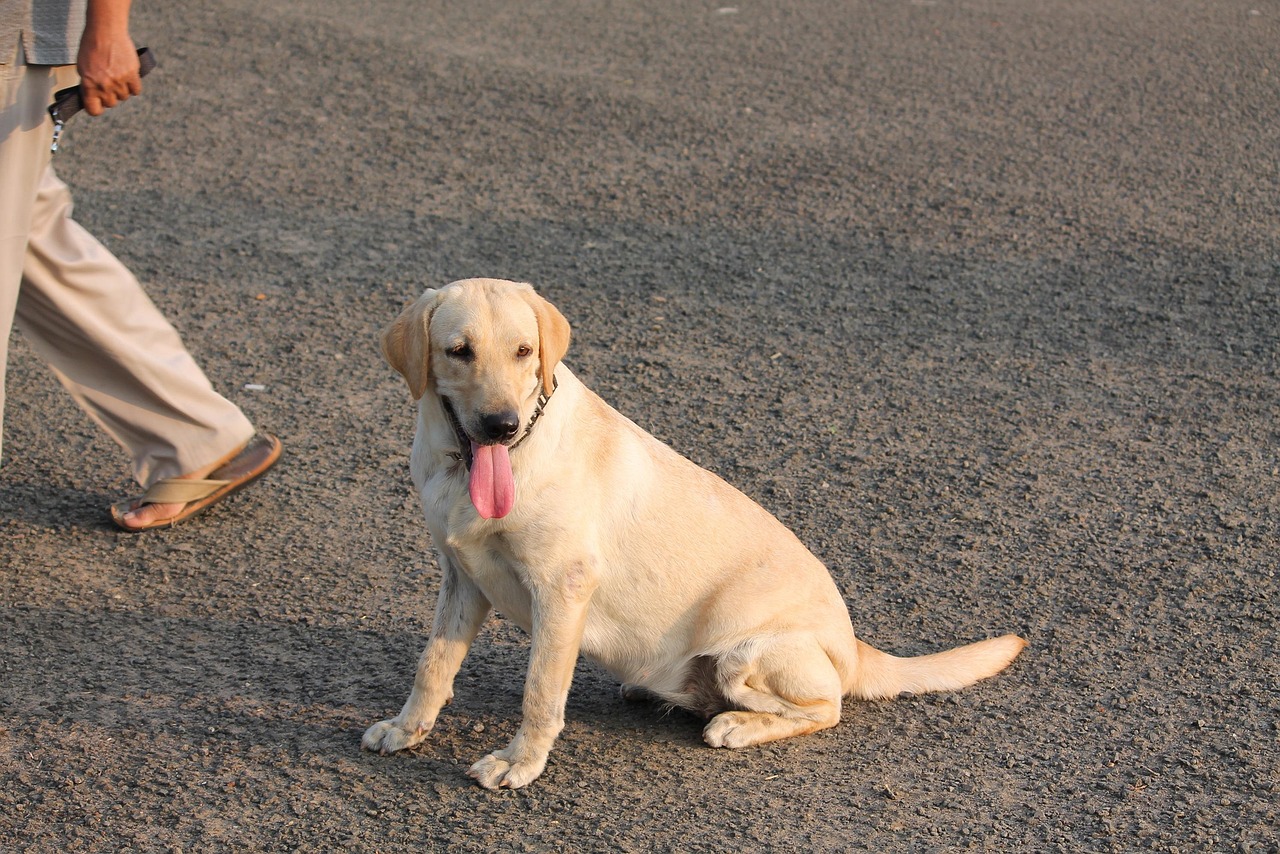
Dogs may respond more readily to strangers who first walk alongside their owners and talk with them. In a study of 32 pet dogs, dogs stayed closer to an unfamiliar person, matched that person’s movement more closely and were more likely to adjust their speed after watching the person walk and talk with their owner. However, the study measured behavioural coordination—not whether the dogs emotionally “liked” the stranger.
Imagine meeting a dog for the first time. Your instinct may be to approach, speak to the dog or offer your hand. But what if the better introduction begins with the person at the other end of the relationship—the dog’s owner?
Dogs pay close attention to how their owners behave around other people. A relaxed conversation, a shared walk and two people moving comfortably together may give a dog useful information before the stranger ever interacts with the dog directly.
A 2024 study tested whether observing this kind of interaction changes how dogs respond to an unfamiliar person. The results suggest that, from a dog’s perspective, a stranger who fits comfortably into the owner’s movements may become easier to approach and follow.
What does it mean for a dog to “prefer” a stranger?
This study did not ask dogs to choose between two strangers. It also did not measure affection, friendliness or emotional attachment.
Instead, the researchers measured behavioural synchronization: the tendency of one individual to coordinate its location, speed or timing with another. During a walk, this can mean staying close to someone, moving at a similar speed or changing pace shortly after that person does.
Dogs commonly synchronize their movement with their owners. Previous research suggests that they do not usually coordinate as closely with unfamiliar people. The new study asked whether a stranger’s behaviour toward the owner could change that response.
Throughout this article, “prefer” therefore means that the dogs were more willing to remain near the unfamiliar person and coordinate their movement with them. It should not be read as proof that the dogs felt affection for that person.
How did researchers test dogs’ responses to strangers?
The study included 32 pet dogs of different breeds and crossbreeds. The dogs were between one and 11 years old and weighed at least seven kilograms. All were healthy, comfortable around unfamiliar people and accustomed to being walked off leash.
| Study detail | What the researchers did |
|---|---|
| Dogs | 32 pet dogs of different breeds and crossbreeds |
| First group | 16 dogs watched a stranger walk closely and talk with their owner |
| Second group | 16 dogs saw the stranger remain distant and silent toward their owner |
| Observation period | 15 minutes in an open outdoor area |
| Movement test | A 45-second straight-line test with standing, slow walking and fast walking |
| Main measures | Distance, time spent nearby, speed matching, speed adjustment and gaze |
The dogs were divided into two groups of 16. During the first 15-minute phase, every dog was free to move around an open outdoor area while its owner and the unfamiliar experimenter followed one of two patterns.
In the Sync and Talk group, the stranger stayed within about one metre of the owner, adjusted their walking speed to the owner’s and talked with the owner.
In the Desync and No Talk group, the stranger remained away from the owner and did not speak to them. The owner and stranger moved separately.
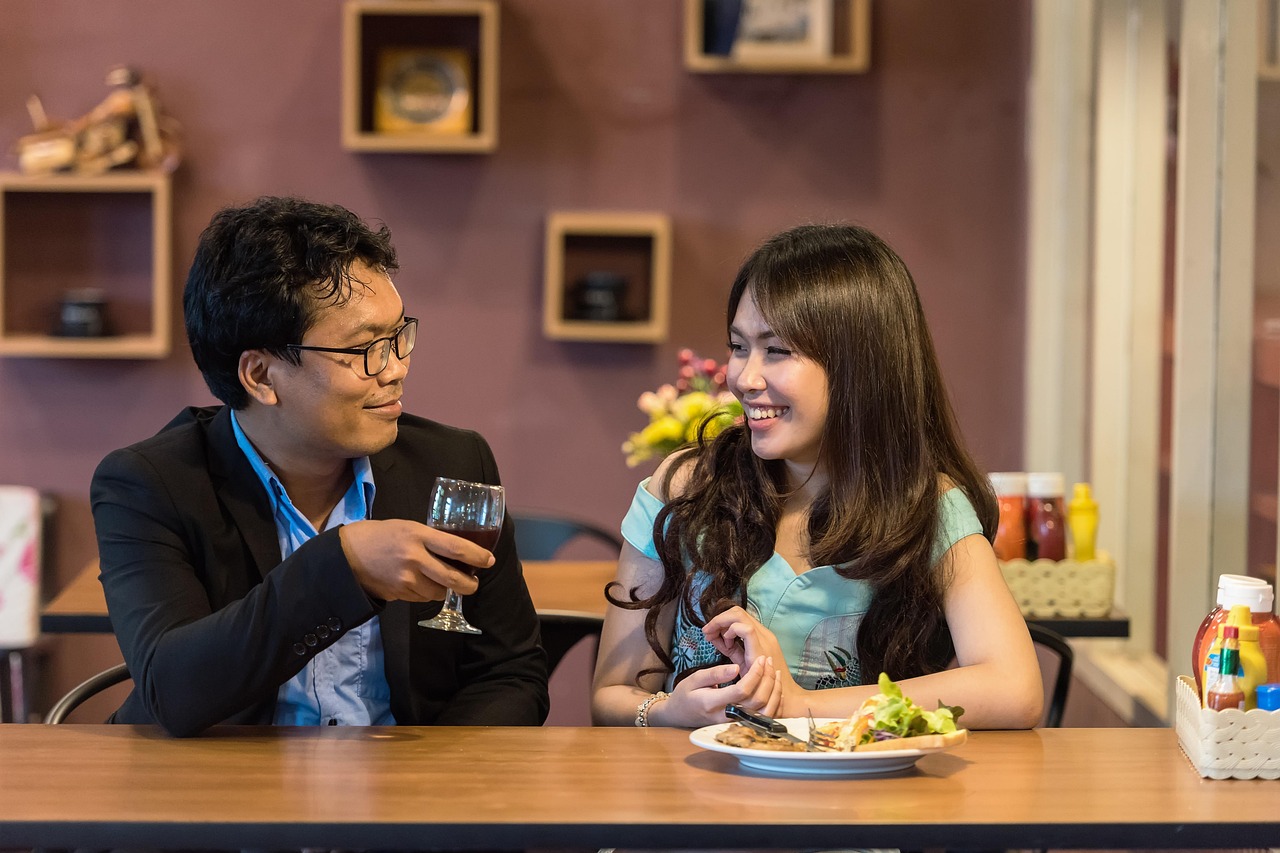
In both groups, the stranger did not look directly at or communicate with the dog. The owner also avoided talking to or looking at the dog. This meant the dog’s main source of information was the interaction—or lack of interaction—between the two people.
After 15 minutes, the owner stood still in a place visible to the dog. The stranger called the dog to a standard starting position and then completed a 45-second straight-line test. In a randomized order, the stranger stood still for 15 seconds, walked slowly for 15 seconds and walked quickly for 15 seconds. The stranger remained silent and did not look at the dog.
GPS devices and video recordings allowed the researchers to compare how the two groups responded.
Which stranger did the dogs coordinate with more closely?
Dogs coordinated their movement more closely with the stranger who had first walked and talked with their owner.
The effect appeared in three parts of behavioural synchronization:
- Location: Dogs in the Sync and Talk group stayed closer to the stranger and spent more time near them.
- Activity: At the beginning of the straight-line test, their speed was more similar to the stranger’s speed.
- Timing: Ten of the 16 dogs in the Sync and Talk group adjusted their speed after the stranger changed pace, compared with three of the 16 dogs in the Desync and No Talk group.
These differences appeared even though the stranger had not spoken to, looked directly at or walked with the dogs during the first phase. The dogs had only observed how the stranger behaved with their owner.
The effect was not identical across every measure. The two groups did not differ in how long the dogs spent looking at the stranger during the straight-line test. They also did not differ in the total time spent moving at a similar speed. The clearest speed-matching difference appeared at the beginning of the test rather than throughout the full 45 seconds.
This is why the findings are best described as increased behavioural coordination, not a complete change in how the dogs felt about the stranger.
Why did some dogs look less at the stranger?
During the initial 15-minute observation period, dogs in the Sync and Talk group actually spent less time looking at the stranger than dogs in the Desync and No Talk group.
At first, this may sound like less interest. The researchers offer another possibility: a stranger who is already walking and talking comfortably with the owner may seem more predictable and may require less monitoring.
Dogs often use their owners as a source of social information in uncertain situations. If the owner accepts someone into their immediate space and moves naturally with them, the dog may not need to watch that person as closely. A stranger who stays separate from the owner may remain more uncertain and therefore receive more visual attention.
This interpretation is plausible, but it was not directly tested. Looking longer at a stranger does not necessarily mean liking them more; it may sometimes mean the dog is gathering information or monitoring a possible concern.
Did the dogs prefer the stranger over their owner?
No. The stranger’s earlier interaction with the owner increased the dogs’ coordination with the stranger, but it did not weaken the owner’s attraction.
During the 45-second walking test, 16 of the 32 dogs went to their owners. The number of dogs that did so—and how quickly they went—did not differ between the two experimental groups.
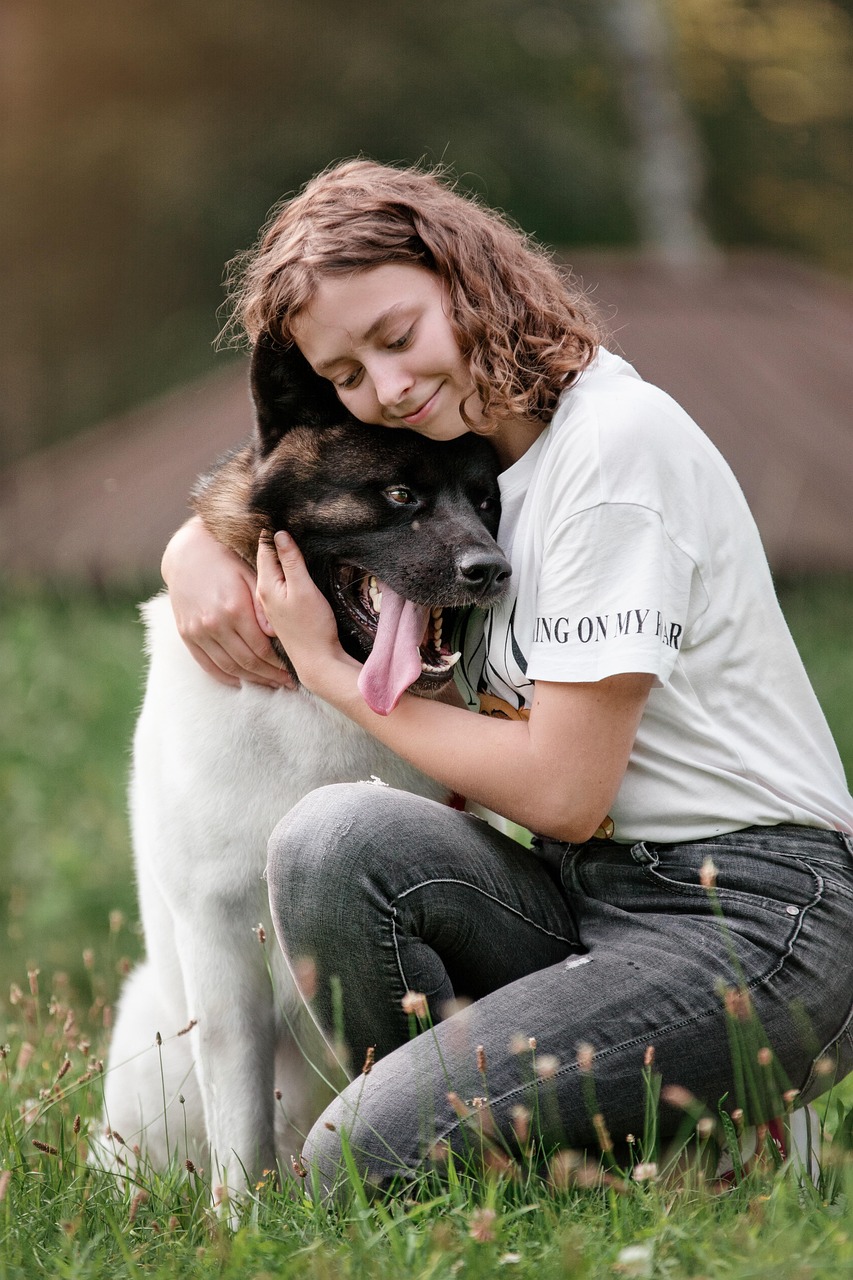
Across the test, dogs also tended to move away from the stranger and in the direction of their owners. The researchers describe this as an “owner attractor” effect. Observing a coordinated interaction may have made the stranger easier to follow temporarily, but the owner remained the dogs’ main social reference.
How might dogs judge an unfamiliar person?
The study offers two possible explanations, and both may operate at the same time.
One is social referencing. Dogs may use their owner’s behaviour as information about how to respond to something unfamiliar. By seeing the owner walk closely and converse with a stranger, the dog may treat that person as more familiar or predictable. The researchers describe this possibility as a transfer of familiarity: in simple terms, “my owner is comfortable with this person, so this person may be safer to coordinate with.”
The second possibility is motor contagion. Observing two people move together may make the dog more likely to reproduce the same pattern and align its own movement with the stranger later. This would be a relatively automatic response to perceived movement rather than a conscious judgment of the person’s character.
The experiment cannot show which explanation is correct. It also cannot separate the effect of walking in sync from the effect of talking, because the stranger did both in the same condition.
How should a stranger approach a dog for the first time?
The study suggests that the first useful interaction may be with the owner rather than the dog.
For example, a new pet sitter, veterinary professional or family visitor could spend time walking alongside and talking with the owner before expecting the dog to follow or interact with them. During this period, the stranger can allow the dog to observe without demanding contact. That closely resembles the successful condition in the experiment, in which the stranger initially ignored the dog.
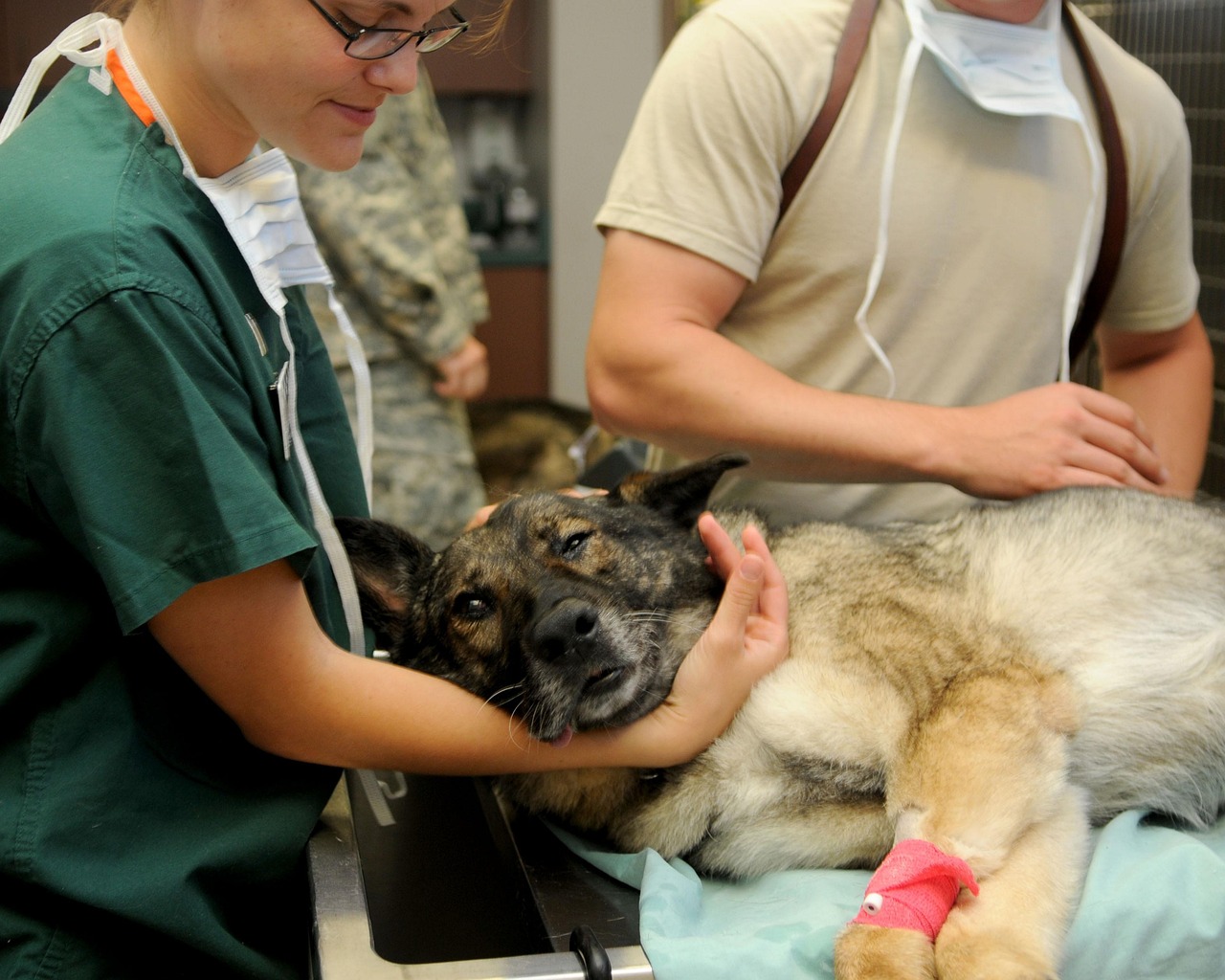
This does not guarantee that a dog will accept the person, and the study did not identify one universal introduction method. It suggests that dogs use the owner-stranger interaction as social information and that a calm period of shared movement may support a smoother introduction.
It also challenges the idea that more attention is always better. Immediately calling, touching or leaning toward an unfamiliar dog may not be necessary. Sometimes, allowing the dog to watch two humans interact is itself part of the introduction.
Does this approach work for fearful or reactive dogs?
The study cannot answer that question.
All participating dogs were comfortable with unfamiliar people, accustomed to being off leash and reported to have no behavioural problems. Dogs that were fearful, aggressive or reactive toward strangers were not tested.
The authors suggest that a similar approach might eventually be useful in behaviour-modification work, with an unfamiliar person walking alongside the owner without interacting with the dog. But that is a proposed future application, not a result demonstrated by this experiment.
For a dog that reacts strongly to unfamiliar people, the distance, environment, intensity of exposure and dog’s ability to move away all matter. This study should not be treated as a do-it-yourself desensitization protocol. Introductions should remain within the individual dog’s comfort level and may require guidance from a qualified behaviour professional.
What are the study’s limitations?
The experiment involved only 32 dogs, with 16 in each condition, and used the same unfamiliar experimenter for every dog. The dogs weighed at least seven kilograms and were already comfortable around strangers and off-leash walking, so the results may not apply to smaller dogs, shelter dogs or dogs with fear and reactivity.
Each dog experienced only one of the two conditions. Individual differences between the groups may therefore have influenced the results, even though the groups were balanced by sex.
The stranger walked in sync with the owner and talked with the owner. The study cannot tell whether movement, conversation or their combination caused the later change in the dogs’ behaviour. The stranger also called each dog to the starting point before the walking test, which introduced a brief direct interaction.
During the first phase, dogs in the Sync and Talk group were also closer to the stranger on average than dogs in the other group. The researchers noted that the average distance still exceeded ten metres in both groups and brought every dog to the same starting distance for the walking test. Even so, the earlier difference in distance cannot be separated completely from the rest of the experimental condition.
Finally, some components of the effect weakened quickly. The strongest difference in speed matching occurred at the beginning of the test, and dogs increasingly moved toward their owners as the test continued.
So, what kind of strangers do dogs prefer?
This study suggests that dogs respond more readily to strangers who first behave in a coordinated, socially connected way with their owners. A person who walks alongside the owner, matches their pace and talks with them may become easier for the dog to approach and move with than someone who remains separate and silent.
But dogs are not simply copying their owner’s list of approved people. They are reading movement, distance, attention and social context. The stranger who makes the best first impression may be the one who does not rush to impress the dog at all—and instead gives the dog time to watch a calm interaction unfold.
The study
Lamontagne, A., Legou, T., Bedossa, T. & Gaunet, F. (2024). Walk with me? Part 2: Dogs synchronize with an unfamiliar person who first synchronized with their owner. Applied Animal Behaviour Science 275, 106271 (2024). Read the paper →
Read next · Science
Do Male and Female Dogs Bond Differently With Their Owners?